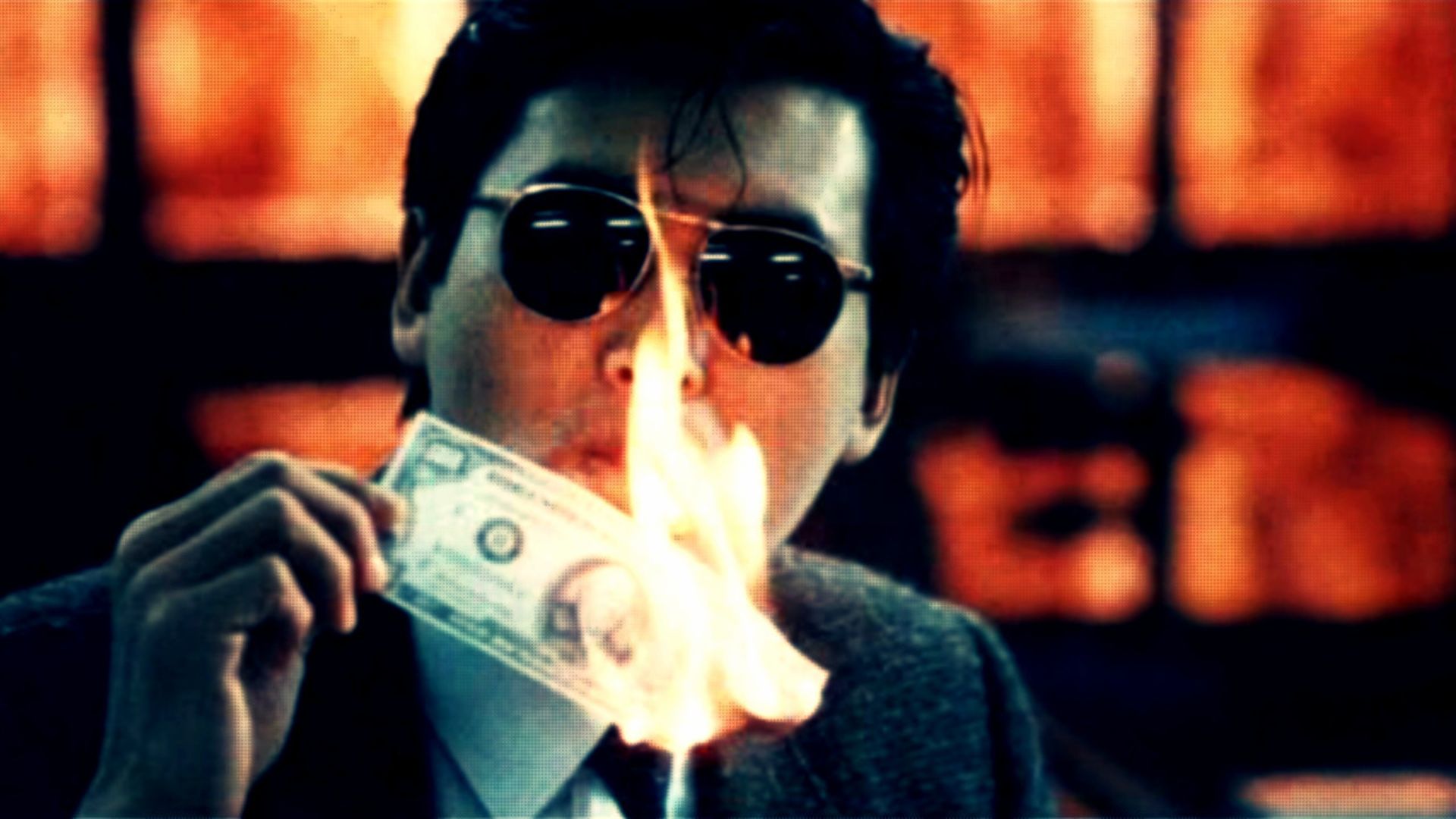
A Better Tomorrow (Film)
Introduction
Released in 1986, A Better Tomorrow is a crime film directed by the veteran Hong Kong filmmaker John Woo. The film stars renowned actors Chow Yun-fat, Ti Lung, and Leslie Cheung. It stands as a classic in Asian action cinema and has left an enduring impact on the genre, popularizing the heroic bloodshed style characterized by its stylized action sequences and dramatic themes of brotherhood and honor.
Plot Overview
The central narrative of A Better Tomorrow focuses on the relationships and moral dilemmas faced by two brothers, Sung Tse-Kit, a dedicated police officer portrayed by Leslie Cheung, and Sung Tse-Ho, played by Ti Lung, who is an ex-gangster seeking redemption. Chow Yun-fat's iconic portrayal of Mark Lee, a loyal and tragic anti-hero, adds depth to the story's exploration of loyalty, redemption, and the cost of violence. The film intricately weaves the personal and professional conflicts between the characters, set against the backdrop of the Hong Kong underworld.
Cultural and Cinematic Impact
A Better Tomorrow not only revolutionized Hong Kong cinema but also influenced international filmmakers, cementing John Woo’s reputation globally. The film's success can be attributed to its pioneering action sequences, which introduced a new aesthetic to gunfights, incorporating slow-motion and stylized choreography, reminiscent of martial arts films. The memorable scene of Chow Yun-fat's character wielding dual pistols in a restaurant became a hallmark of Woo's signature style and has been imitated in countless films worldwide.
John Woo and His Vision
Director John Woo, in his own words, aimed to blend the rhythm of musical films with the intensity of action scenes, drawing parallels between gunfights and the graceful movements found in dance. He compared the use of pistols in his films to swords in wuxia—Chinese martial chivalry—films, emphasizing an artistry in action that transcends simple violence. Woo's films, including "A Better Tomorrow," often explore themes of honor and sacrifice, rooted in Eastern philosophies yet resonating on a universal level.
Legacy and Continued Relevance
Despite the passage of time, A Better Tomorrow remains a beloved classic, particularly in smaller cities within China, where its influence continues to resonate. The film's portrayal of complex emotional and moral dilemmas, combined with its groundbreaking action sequences, ensures its place in the pantheon of great cinematic works. Moreover, the film's themes of brotherhood and redemption continue to attract audiences, underscoring the timeless nature of its storytelling.
As a cornerstone of John Woo’s career, A Better Tomorrow not only established many tropes now commonplace in action films but also opened doors for its cast and crew to Hollywood, impacting the trajectory of global action cinema. The film's ongoing popularity and critical acclaim exemplify its significant contribution to the film industry, both locally and internationally.
Influence on Future Works
The success of A Better Tomorrow paved the way for its sequels and inspired many remakes and adaptations. It has been credited with revitalizing the Hong Kong film industry during the 1980s and 1990s, leading to a surge in the production of action films that focused on character-driven narratives intertwined with stylized violence. The film's influence extends beyond its immediate sequels, affecting the action genre globally and inspiring directors such as Quentin Tarantino and the Wachowskis.








